
The short answer
A shop is only a good deal if four things work at the same time: your activity is allowed in that unit, you can fit it out on the route and timeline you planned, customers can see and reach it, and your stock and equipment can physically get in and run there. Most expensive surprises in retail come from the last two: a sign you are not allowed to put up, a sofa that does not fit in the goods lift, or a demonstration kitchen the building cannot ventilate.
This guide covers what is specific to shops and showrooms. For the checks that apply to every commercial unit, start with our commercial property due diligence guide. If your showroom is really a warehouse with a front counter, read the warehouse and industrial guide as well.
Mall unit, street shop or showroom: what changes
Mall units. You get footfall, security and managed services, but you also sign up to the mall's fit-out manual, its approved contractors, its design review, its trading hours and its rules on deliveries and signage. Fit-out approvals are simpler on the authority side: Dubai Municipality exempts decoration works in units inside a shopping mall or commercial complex from its decoration permit and completion certificate, whatever the unit size. The Dubai Development Authority does the same for mall units in its areas. The mall's own approval and Civil Defence requirements still apply.
Street and podium shops. You usually have more freedom on hours and frontage, but parking, loading, visibility and the building's own rules matter more. In a jointly owned building, Dubai law binds tenants to the building management regulations, and any substantial change to a unit's structure or external appearance needs prior approval from the master developer, the Dubai Land Department and the competent authority. That covers shopfront changes, new openings and external ducts.
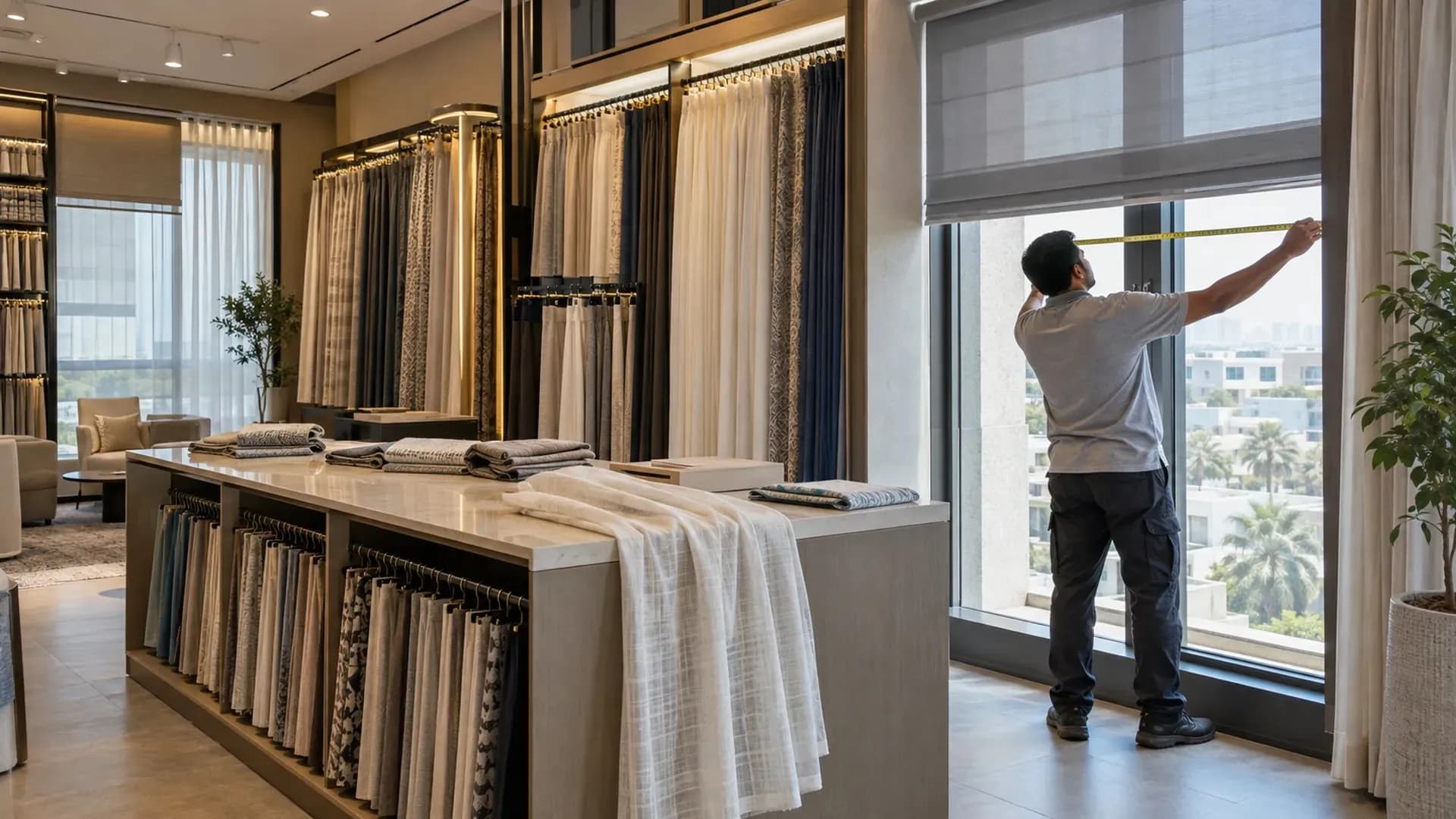
Showrooms. Large display areas bring their own questions: floor loads, ceiling fixings, goods lifts, demonstration power and water, and whether part of the space is really storage. A showroom licence for selling furniture does not cover upholstery work behind the display, and a kitchen showroom that cooks for customers is a different activity from one that only displays cabinets.
Six checks before you sign for any shop or showroom
1. Describe the whole operation, not just the product
Write one page that lists everything that will happen in the unit: retail sales, stock storage, demonstrations, preparation, repairs, rentals, events, deliveries and online-order dispatch. Ask the licensing authority to confirm the activity and any outside approvals against that description, not against a product name. On the mainland, the Department of Economy and Tourism (DET) licenses the activity; in a free zone, the zone authority does. A free-zone company that wants a mainland shop can operate there through DET under Executive Council Resolution No. 11 of 2025, either with a branch licence (AED 10,000 a year) or a temporary permit for up to six months (AED 5,000), with the approval of its free-zone authority.
2. Confirm the fit-out route and the exemptions that apply
Who approves your works depends on the building. Under Dubai Municipality, units of 100 m² or less and units inside a mall are exempt from the decoration permit and completion certificate, but you still need a Municipality-approved contractor, the owner's written consent and compliance with Civil Defence requirements, and you cannot change the approved built area. In DDA areas, the same two categories are exempt from the DDA fit-out permit, on similar conditions; but structural changes, a change of use, a mezzanine, or adding, merging or splitting units always need a building modification application, even in a small or mall unit. Where a DDA fit-out permit is needed, it costs AED 0.90 per square foot (minimum AED 200, maximum AED 10,000) plus AED 20, takes about two working days and is valid for six months. Get the route confirmed in writing before you budget the fit-out.
3. Check the signage you are allowed, not the signage you want
Signs need a permit in Dubai. Under Decree No. 6 of 2020, nobody may display an advertisement without a permit, and the permit for a sign on a shop's façade or inside a commercial centre showing the shop's name and trade mark is issued by the economic department, now DET. Every business must display a façade sign showing its activity and trade name in line with the official manual. In free zones and special development zones, the zone authority issues the permit. Before you sign, ask the landlord or mall for the signage zone, size and lighting allowed, and check the permit route for your exact sign. A landlord's design approval is not the authority permit.
4. Match the fire file to your stock and layout
Dubai's Civil Defence law ties your licence to fire safety: licensing bodies must not issue or renew licences without a valid Civil Defence certificate, and insurers must not insure a building against fire without one. Owners must maintain fire systems and get Civil Defence approval before any change affecting fire safety. Retail layouts change often, so give your fire consultant the real picture: shelving heights, back-of-house stock, foam furniture, aerosols, perfume, fabric rolls or batteries, and any seating for events. Since 1 June 2026, Dubai's public safety law (Law No. 2 of 2026) also applies to public places and buildings across the emirate, including free zones, and requires suitable lighting, ventilation, safe entry and exit for the public, and respect for the approved capacity.
5. Prove power, cooling and water for what you will run
A showroom full of working lights, appliances, screens or demonstration kitchens can need far more power and cooling than an ordinary shop. Ask for the load allocated to the unit, have an engineer calculate your real peak demand with everything switched on, and agree in writing who pays for any upgrade and when rent starts if it is late. If you need water and drainage for demonstrations, flower preparation or a wash area, check the approved connection points and drainage route before you design around them.
6. Walk the delivery route with your largest item
Measure the biggest thing you will bring in: a sofa, a crated fridge, a stone worktop, a carpet roll, a car. Walk it from the loading bay through the doors, corridors and goods lift to the shop floor. Confirm loading hours, whether the loading bay is shared, where delivery vehicles can wait, and whether you can receive stock before opening. A wide shopfront does not prove you can get stock through the building.
Specialist shops and showrooms
Some retail uses add their own approvals or risks. Use this section to know what to ask before you commit.
- Gold and jewellery. Dubai's security industry law applies across the emirate, including free zones, and SIRA regulates the security systems in high-value premises. Before signing, ask a SIRA-approved security consultant what plan approval and system certification your shop needs, whether the unit can take the safe you plan (weight and fixing), and how alarms, cameras and glazing will be approved. Budget the security fit-out as a real cost, not an afterthought.
- Perfume and cosmetics. Dubai Municipality oversees the safety of cosmetics and perfumes sold in Dubai, and its Montaji app lets you check a product's registration by barcode or name. Check your suppliers' products before you stock them. If you plan to decant, mix or refill perfume, or offer beauty treatments, ask the licensing authority to classify that work separately; retail permission is not evidence that it is allowed.
- Car showrooms. Check vehicle access, door and ramp sizes, slab capacity under vehicles, and customer parking. Washing, servicing, paint or battery work are separate activities. If you want to offer EV charging to customers, confirm the charging category and approvals with DEWA before you promise it.
- Furniture, flooring, building materials and kitchens. Heavy stock and displays need an engineer's check of floor and wall loads. Cutting, assembly, upholstery or stone work need separate activity approval. A kitchen showroom that cooks for customers needs a food classification, ventilation and possibly gas approval; one that only displays cabinets does not.
- Lighting and home appliances. Many items running at once means a real power and heat problem. Get a load schedule with every demonstration on, and check ceiling fixings for heavy chandeliers or display grids.
- Flower shops. A cold room needs power, a condenser location, drainage and a maintenance route. Check where the condenser can go before you sign; the landlord's approval and the building rules decide it.
- Books, sports, toys and diving equipment. These can bring in other regulators depending on what you do: publications, coaching or classes, play areas or events, and diving training or cylinder filling. Selling packaged goods is usually simpler than running an activity. Describe the whole operation and ask the licensing authority to classify it before you commit.
Renting or buying the unit
Renting. Shop leases on the mainland fall under Law No. 26 of 2007 as amended. Register the contract through Ejari: AED 177.75 online or AED 220 at a trustee centre. Landlords must hand over the unit in good condition for its use, but the parties may agree to lease it before it is finished, with the tenant completing it and the contract deciding who pays. A shell-and-core shop is legal; just make sure the contract says who pays for what, and when rent starts.
Buying. Verify the title deed with the Dubai Land Department before you pay anything. Non-UAE nationals can own freehold on designated plots, and the rule does not separate residential from commercial property, so what matters is the plot. The general registration fee is 2% from the seller and 2% from the buyer plus fixed fees. Supplies of commercial property, including shops, are subject to VAT at 5%. If the shop is let, read the existing lease: a fixed-term lease continues after a sale.
Clauses to agree before you pay
- The approved use. Attach the activity description and the unit's approved use, and make the key approvals a condition, with a deadline and a refund if they are refused.
- Fit-out route and rent-free period. Agree which authority and landlord approvals are needed, who applies, and how long you have before rent starts.
- Signage rights. The location, size and lighting of your sign, who pays for it and who removes it at the end.
- Maintenance. The landlord carries maintenance unless the contract says otherwise. Name the shopfront, shutters, air conditioning and fire systems.
- Alterations. You need the landlord's permission and the required licences before making changes. Attach your planned works.
- Subletting and concessions. You cannot sublet or assign without the landlord's written consent unless the lease allows it. If you plan to host a concession or shop-in-shop, agree it now.
- End of lease. You return the unit in the condition received except ordinary wear, and cannot remove improvements unless agreed. Attach a dated condition survey and a list of what stays and what goes: shopfront, signage, shelving, safes, cold rooms, lighting.
From shortlist to opening
- Write the operating brief: products, storage, demonstrations, services, deliveries.
- Confirm the activity and any outside approvals with DET or the zone.
- Get the landlord's documents: title or authority to lease, approved drawings, fire certificate, building or mall rules.
- Confirm the fit-out route, signage rules and delivery access in writing.
- Check power, cooling, water and floor loads with an engineer; give the fire consultant your stock plan.
- Sign a lease or offer with the conditions above, then register Ejari or the sale.
- Submit fit-out and specialist approvals, build, and pass inspections.
- Open only when the licence, fire evidence and any specialist approvals are in place.
Where to look for shops and showrooms
Shops and showrooms come in very different settings, from community retail in residential areas to street-level units in business districts. Areas such as Business Bay, JVC, JVT, Al Jaddaf, Motor City, Majan and Arjan offer different mixes of footfall, rent and unit size, so compare the same checks across your shortlist rather than choosing on rent alone.
Frequently asked questions
Do I need a fit-out permit for a small shop in Dubai?
Under Dubai Municipality, decoration works in units of 100 m² or less, and in any unit inside a mall, are exempt from the decoration permit and completion certificate. You still need a Municipality-approved contractor, the owner's written consent and Civil Defence compliance. In DDA areas the same categories are exempt from the DDA fit-out permit, but structural changes, a change of use or a mezzanine need a building modification application.
Who approves a shop sign in Dubai?
Signs need a permit. For a sign on the shop's façade or inside a commercial centre showing the shop's name and trade mark, the permit is issued by the economic department (DET). Free zones issue permits within their own areas.
Can a free-zone company open a shop on the mainland?
Yes, through DET under Executive Council Resolution No. 11 of 2025, with a branch licence (AED 10,000 a year) or a temporary permit for up to six months (AED 5,000), and the approval of its free-zone authority.
Can I lease a shop that is still shell and core?
Yes. The parties may agree to lease a unit before it is finished; the tenant then completes it and the contract decides who pays. Agree the rent-free period and the handover standard in writing.
Can I change the shopfront of my unit?
In a jointly owned building, any substantial change to a unit's structure or external appearance needs prior approval from the master developer, the Dubai Land Department and the competent authority, and you must follow the building management regulations.
Can a foreigner buy a shop in Dubai?
Yes, on plots designated for non-UAE nationals. The rule does not distinguish residential from commercial property. Verify the title deed with the DLD before paying.
Is VAT charged on shop rent?
Yes. Supplies of commercial property, including shops, are subject to VAT at 5%.
How do I check that perfumes or cosmetics I stock are registered?
Dubai Municipality's Montaji app lets you check a product by scanning its barcode or entering its number or name.
Related guides
- Buying a Retail Shop in Dubai: 12 Checks Before Signing or Paying a Deposit
- Mall Retail vs Street Retail in Dubai: Buyer Checklist for Footfall, Costs and Use
- Retail Signage, Shopfront and Outdoor Seating Rights Before Buying a Dubai Shop
- Permitted Use and Exclusivity Clauses in Dubai Retail: A Commercial Buyer's Checklist
- Shop for Sale in Dubai: Where to Buy and What It Costs
Talk to Laguna Life
Looking at a shop or showroom? Send us the unit, the area and what you plan to sell or show there, and we will tell you what to check before you pay anything. Call or WhatsApp Laguna Life on +971 56 100 0928.
Official sources
- Administrative Resolution No. 85 of 2019 (Dubai Municipality decoration permits)
- DDA Circular 338: amendments in fit-out permit process
- DDA: Fit-out permit
- Decree No. 6 of 2020 regulating advertisements in Dubai
- Law No. 26 of 2007 regulating the relationship between landlords and tenants
- Law No. 33 of 2008 amending Law No. 26 of 2007
- Law No. 6 of 2019 on jointly owned real property
- Law No. 4 of 2025 establishing the Dubai Civil Defence General Command
- Law No. 2 of 2026 on public safety in Dubai (Arabic)
- Executive Council Resolution No. 11 of 2025 on free-zone establishments
- Law No. 12 of 2016 regulating the security industry
- DLD: Verify title deed
- DLD: Register or renew a tenancy contract (Ejari)
- Dubai Municipality: Montaji app
- Federal Tax Authority: commercial real estate FAQ
Last reviewed: 6 November 2026. This guide is general information, not legal advice.